Duck Egg Font for Authentic and Cute Business Branding
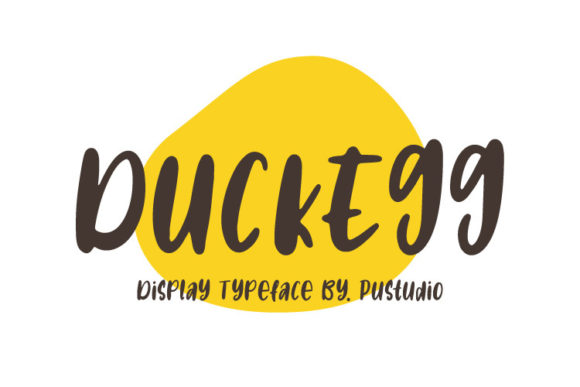
I was standing in my small home bakery, staring at a stack of plain white cake boxes. My treats were delicious, my customers were happy, but my packaging felt… generic. It didn’t tell the story of the care and joy I put into every batch. I knew I needed a visual upgrade, something that felt handmade and warm, but I wasn’t a designer. That’s when I discovered the Duck Egg font. This casual and paint brushed display font completely transformed my brand’s personality. It’s perfect for any cute and fun themed project, and its authentic look and feel added exactly the personal touch my designs were missing.
Why Duck Egg Creates a Cohesive and Memorable Brand Identity
Typography is the silent ambassador of your brand. When you use a font like Duck Egg consistently across your materials, you build a visual language customers instantly recognize. As a display font, Duck Egg is designed for headlines, logos, and short phrases where personality matters most. Its paint brushed style has an organic, imperfect charm that feels inviting and trustworthy—like a friend handwritten note rather than a corporate memo. I tested it on everything: my new product labels, a refreshed menu board for a client café, and the thank-you cards I slip into orders. In each case, Duck Egg made the business look more polished and intentional without losing its soul. It’s a fonts choice that bridges the gap between professional and personal.
Using Duck Egg Font for Product Labels and Packaging Design
The first real test was my bakery boxes. I used Duck Egg for the bakery name and the specific treat name, like “Seasonal Berry Tart.” The result was transformative. The font’s casual strokes gave the packaging a homemade, artisanal quality that my previous clean sans-serif font lacked. It communicated care and craftsmanship before the customer even opened the box. This principle applies to countless small businesses. A candle seller can use Duck Egg for the scent name on a jar label. A beauty brand can make its serum name feel more gentle and natural. A boutique can create unique, charming tags. The key is to use it for the primary product title or your brand name where you want that immediate, emotional connection. Its readability is excellent for printed materials, even at moderate sizes, making it ideal for labels, stickers, and packaging you hold in your hands.
Duck Egg for Social Media Graphics and Online Shop Banners
Your digital presence needs the same cohesive touch. I updated my Instagram story templates and my Etsy shop banner with Duck Egg. For social media graphics, especially those cute and fun themed promotional posts or whiteboard quote-style announcements, this font shines. It draws the eye in a feed full of sleek, modern type. On an online shop banner, using Duck Egg for your shop name or a key seasonal slogan (“Handmade with Heart”) immediately sets a mood. It’s crucial, however, to pair it wisely for longer text. I use a simple, clean sans-serif font for product descriptions and body text on my website. This pairing—Duck Egg for personality-driven headlines, a neutral font for details—creates a balanced and highly readable hierarchy, perfect for mobile screens and product mockups.
How Duck Egg Font Enhances Menus, Cards, and Print Materials
Let’s talk about a café menu refresh. A chalkboard or printed menu using Duck Egg for menu categories (“Fresh Pastries,” “Specialty Drinks”) injects warmth and approachability. It feels less like a rigid list and more like an inviting suggestion. Similarly, for a service-based business like coaching or workshops, Duck Egg on flyers or digital ads for the event title makes the offer feel more creative and human. For physical print materials like thank-you cards or loyalty cards, this fonts authentic look and feel is the entire goal. It’s the personal touch that turns a transaction into a relationship. The paint brushed effect means every letter feels unique, avoiding the sterile uniformity that can make a small business look impersonal.
Practical Considerations Before Using Duck Egg in Your Business
Before integrating Duck Egg into your brand assets, do a quick check. Most commercial font licenses for display fonts like this allow use on physical products, packaging, and digital templates—confirm this for your intended use. Explore if the font file includes stylistic alternates or ligatures, which can add even more customization for a unique logo. Since it’s a display typeface, it’s best for short, impactful text. For a complete brand identity, you’ll need a secondary font for all your supporting text. A simple sans-serif is my go-to, but a classic serif can also work for a more elegant mix. Think about your primary platforms: if most of your customer interaction is through Instagram, test Duck Egg in graphics templates at various sizes to ensure it’s legible as a thumbnail. Its charm is undeniable, and when applied strategically, Duck Egg can become the cornerstone of a visual identity that looks consistent, memorable, and genuinely you.
Stepping away from generic, off-the-shelf typography was one of the most impactful decisions for my business’s perceived quality. Duck Egg provided the tool to do that. It’s more than just a fonts option; it’s a design asset that conveys a specific mood—cute, fun, authentic, and personal. Whether you’re printing labels for your handmade goods, designing a new menu, or building a more cohesive online shop, this display font offers a path to a brand that feels polished without losing the heart that makes your small business special.